Designing Dragons: Scale

Remember these little guys from Designing Dragons: Sketches?
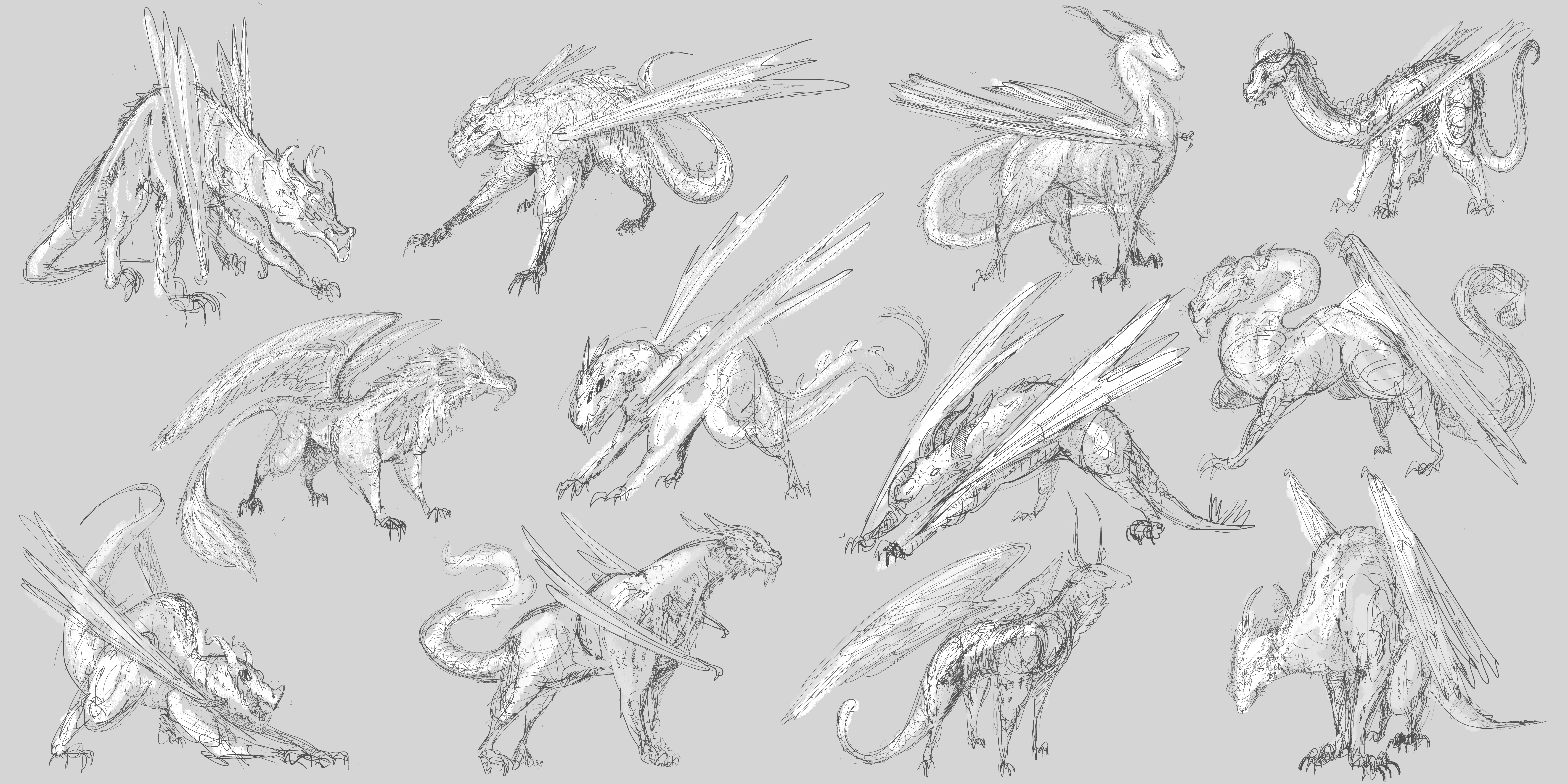
Could you estimate how tall they stand?

Could they fit and live in a volcano, or be making a home in your living room chimney?

The scale of a creature can sell the believability of the design.

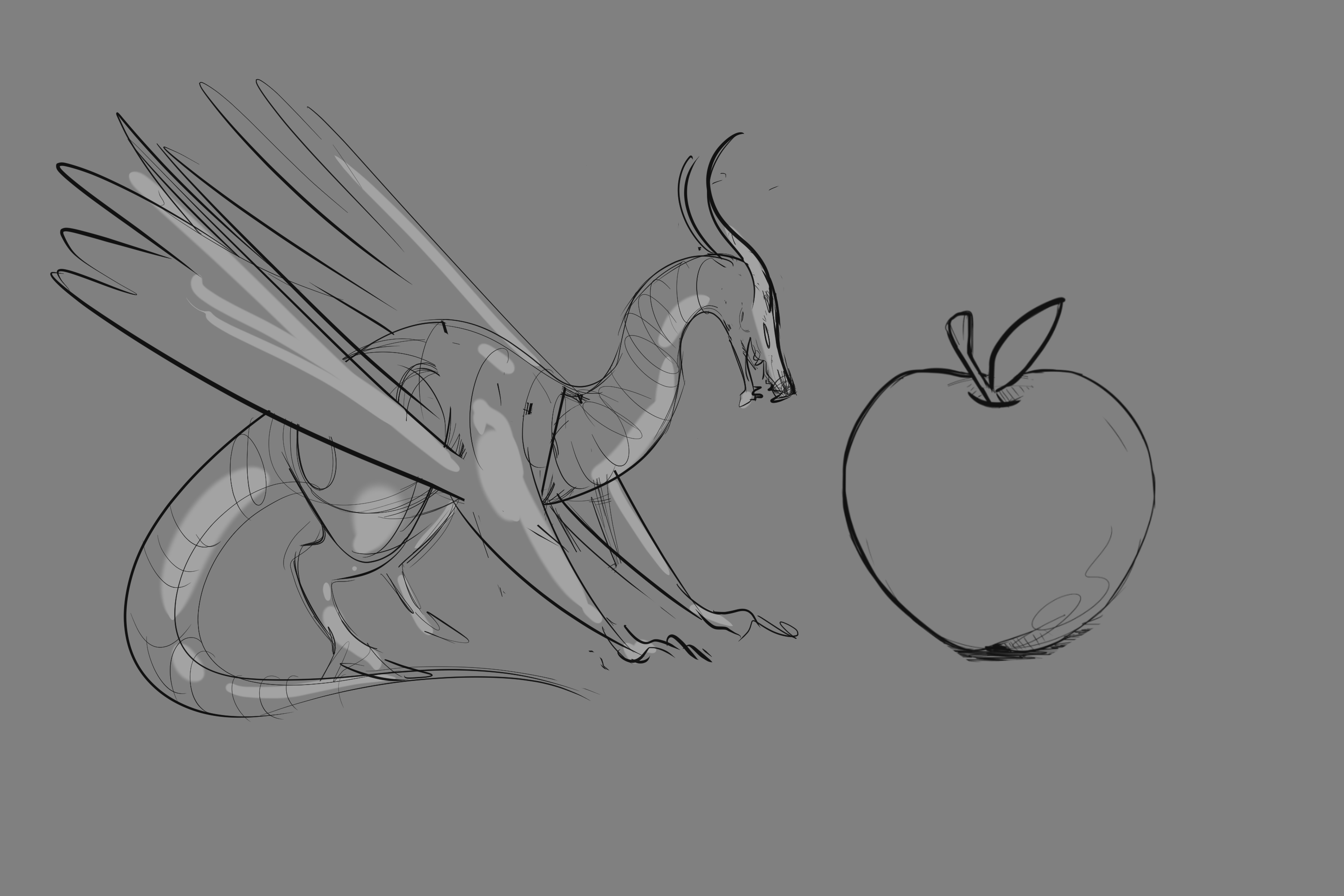
Scale can’t be shown without a reference point. It’s simple enough to place a black human silhouette in the corner, but we can tell a story with the environment to make it invoke more emotion!

If the dragon is positioned near an apple they appear to be the same size and in the viewer’s mind the creature is small enough to perch up on their arm.
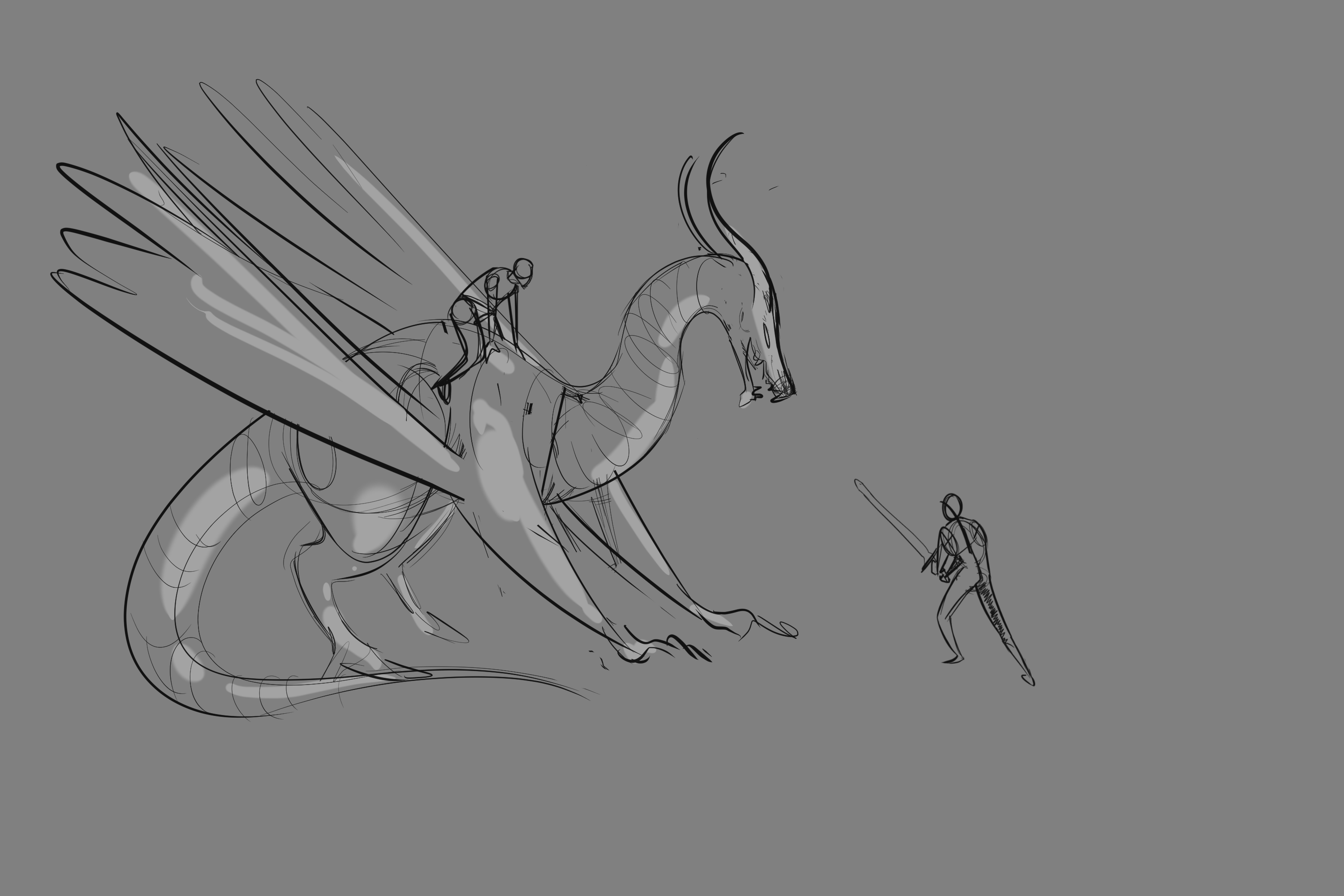
However, if we change the entire context of the image and the viewer’s mind now sees the creature as a formidable foe to vanquish!
By placing the creature within a landscape environment, the scale of the creature appears goliath.
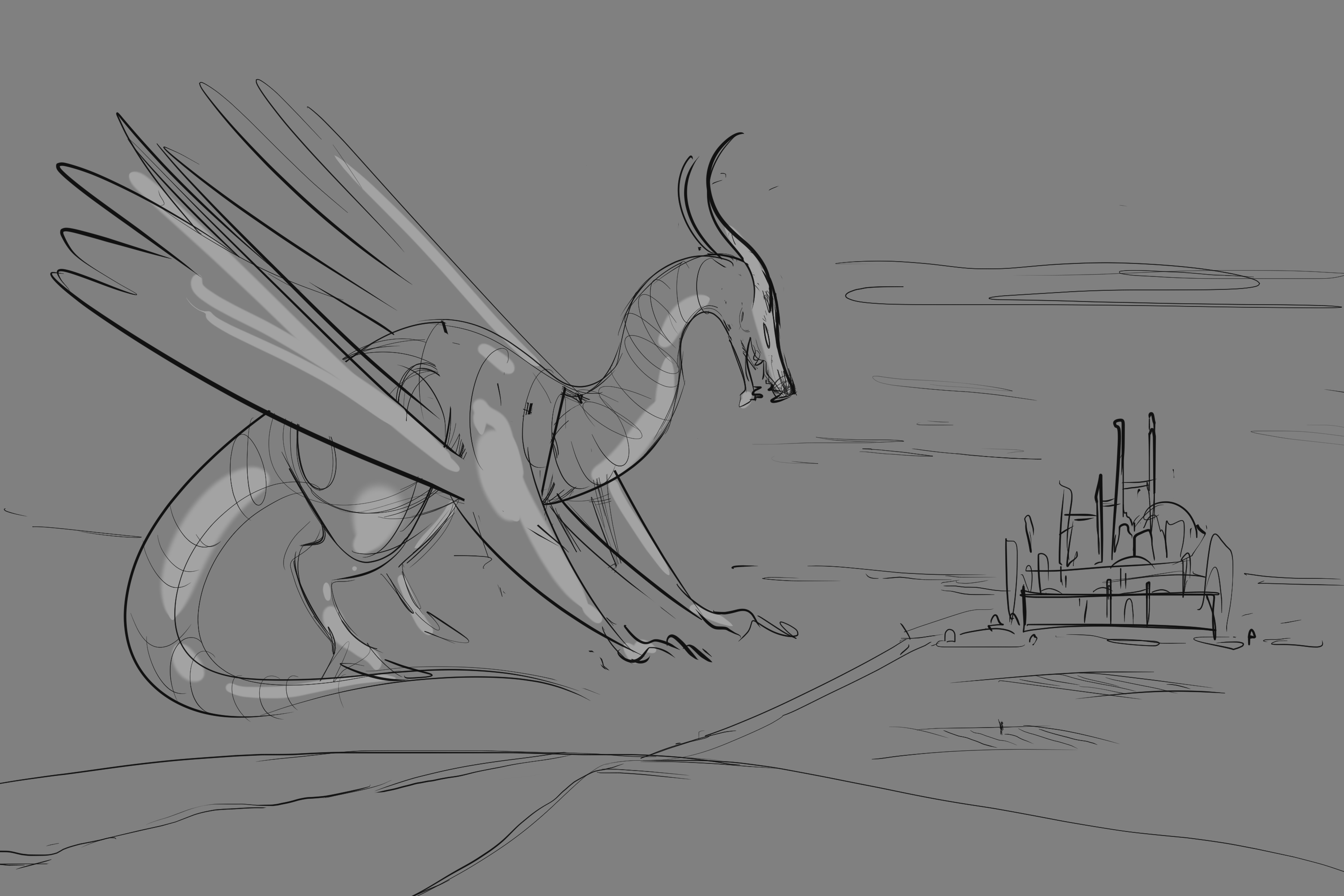
In each of the above examples, the dragon is the same size, and the objects around it determines the scale.

We can get an even grander scale representation by adjusting the dragons and their scenery to be relative to each other as well.

There are endless possibilities to explore when it comes to demonstrating your design’s scale, and it’s the perfect chance to show your personal flare and creativity.

So ditch the lazy human silhouette and explore some environmental storytelling!
Character Design is Hard So I made it Easy

Now, I’m no expert in costume design, but I know for a fact I can’t just leave my characters nude (though I suppose there is a niche audience for everything.)

And the idea of an order of a dragon cult that has an order of knights sworn to protect and fight for them sparks a childlike interest for me.

The first thing that came to mind was the leather hide armor donned by fantasy Vikings and barbarians.

For knights and warriors who would be dealing with dragons, it only made sense that their gear would have to have a fire resistant element. AKA it would be best the main material used to craft is was made from the very skin and scales of the dragons they safeguarded.

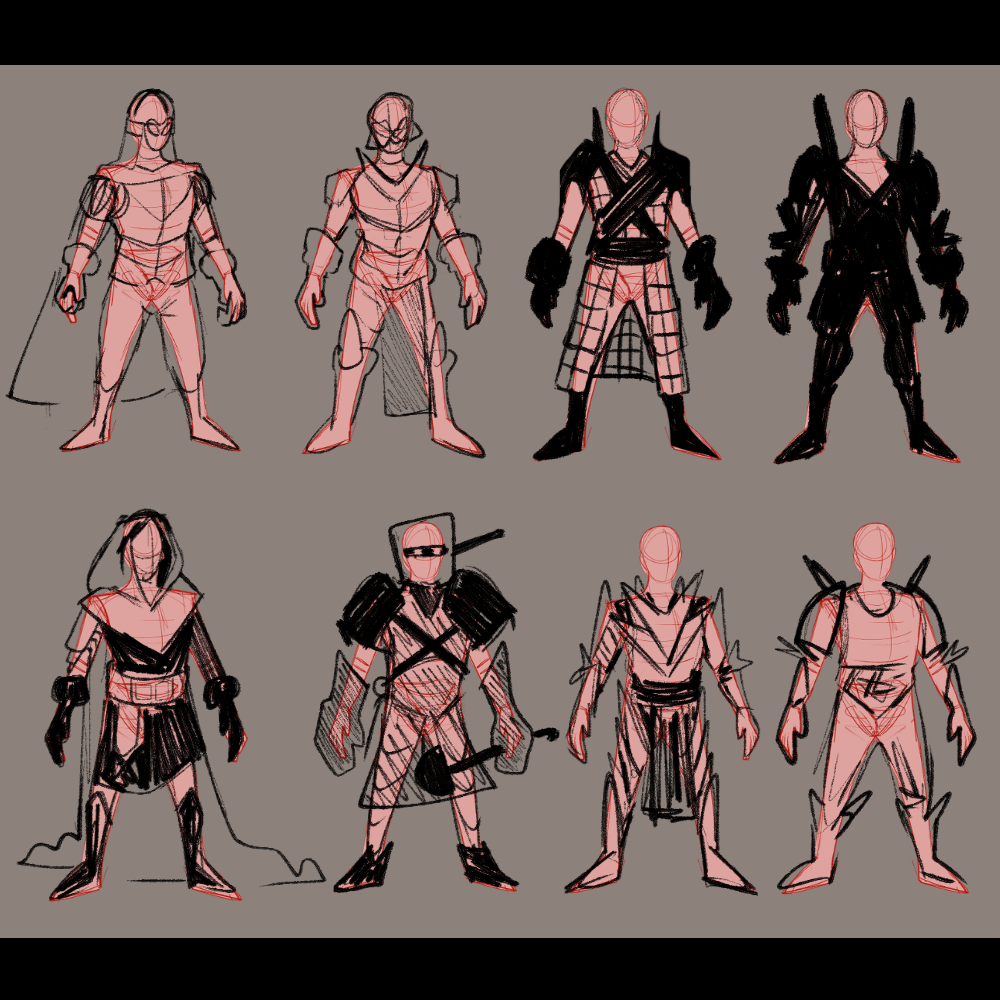
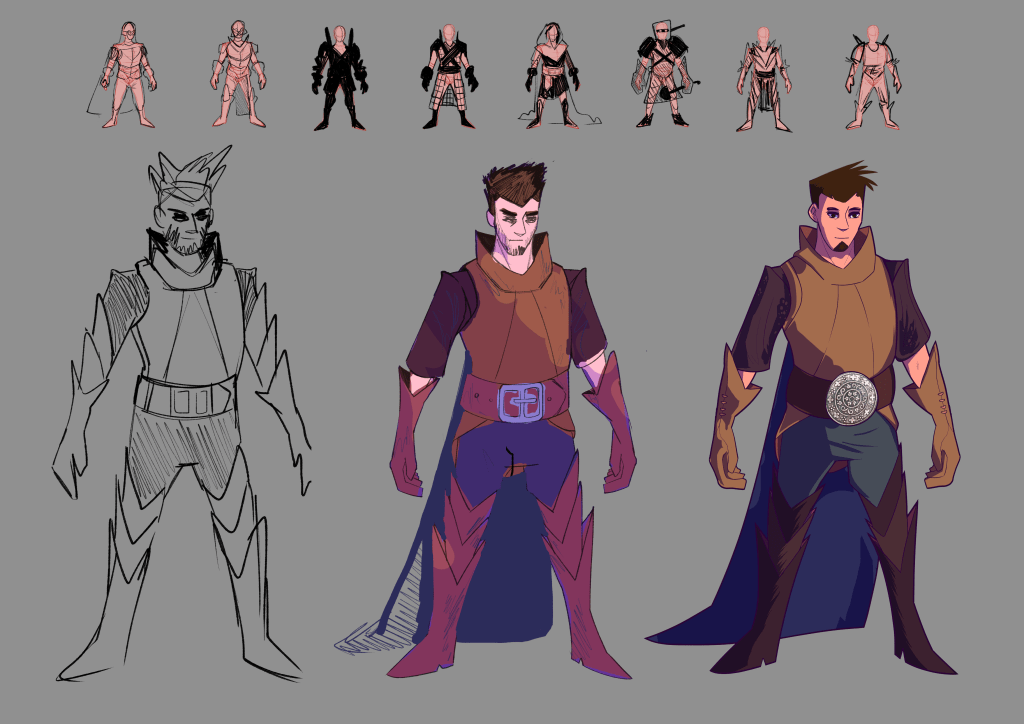
I created a base mannequin to play dress up with and experimented with some different variations. As long as I could say my mannequin looked protected, it got the pass.


And a good giggle.

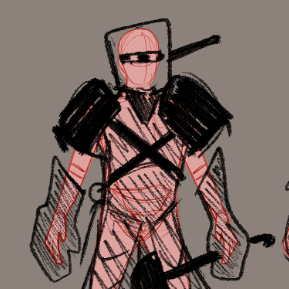
Pots aren’t good helmets, it turns out.

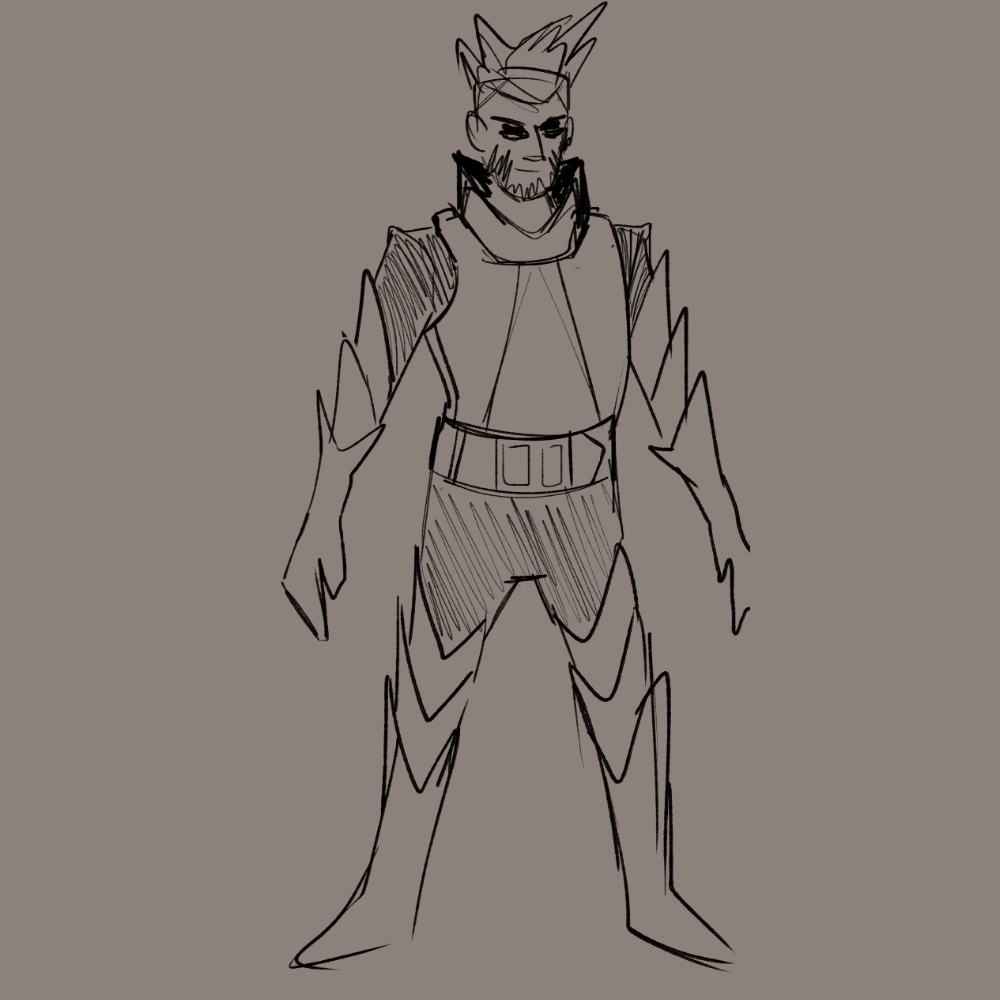
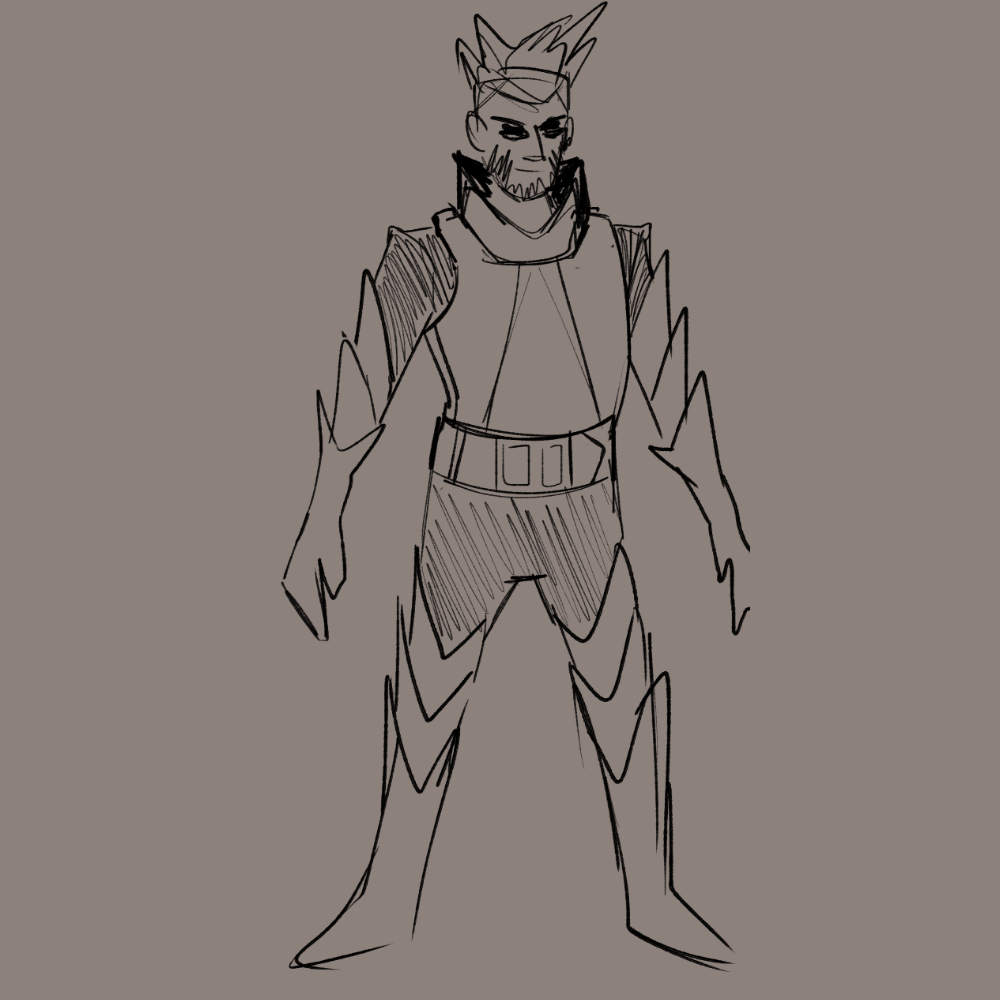
With the thumbnails all lined up, I threw together a rough sketch of what I’m initially digging. I’ve dropped helmets altogether. Honestly I think each piece of equipment deserves it’s own study, but of all the accessories the helm is the soul of the armor, so it needs an entirely dedicated post and set of research.

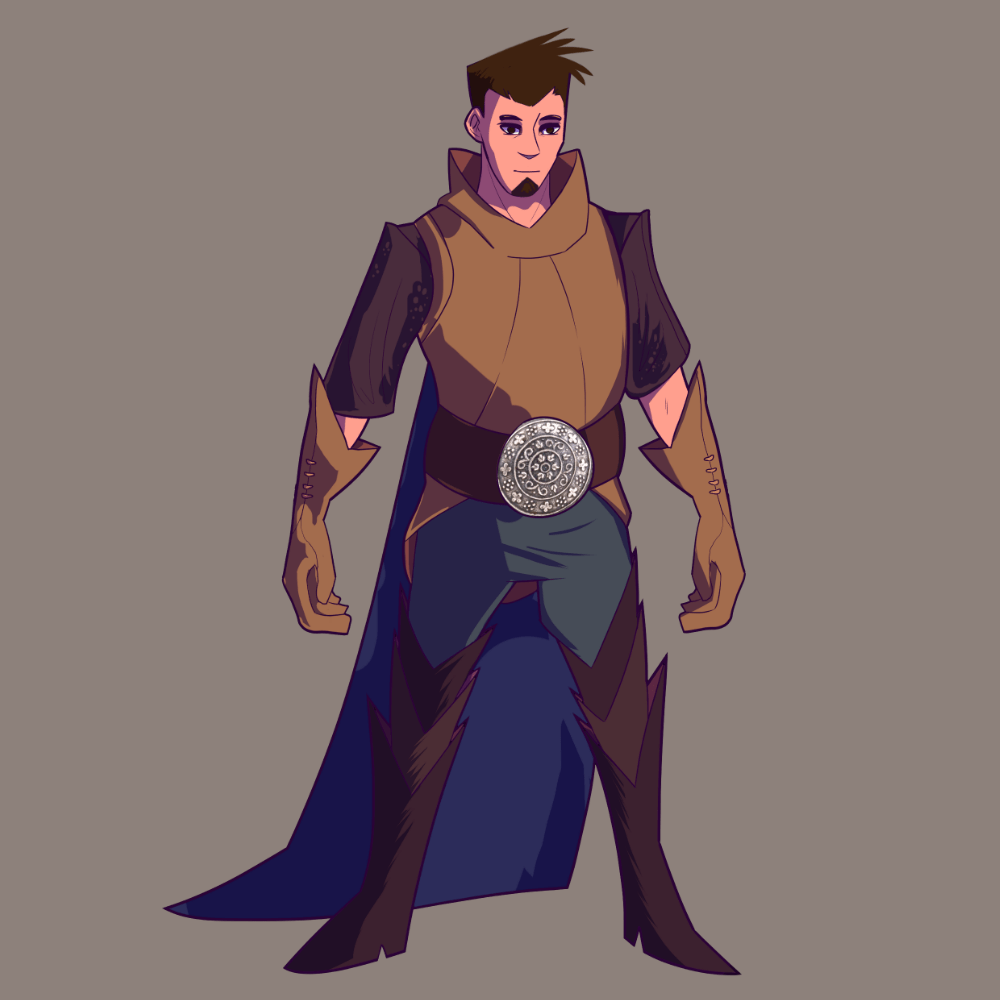
I went with a high collar breastplate, and triangular layered gloves and boots with a thick belt.

Wow. Much draw, so impress.

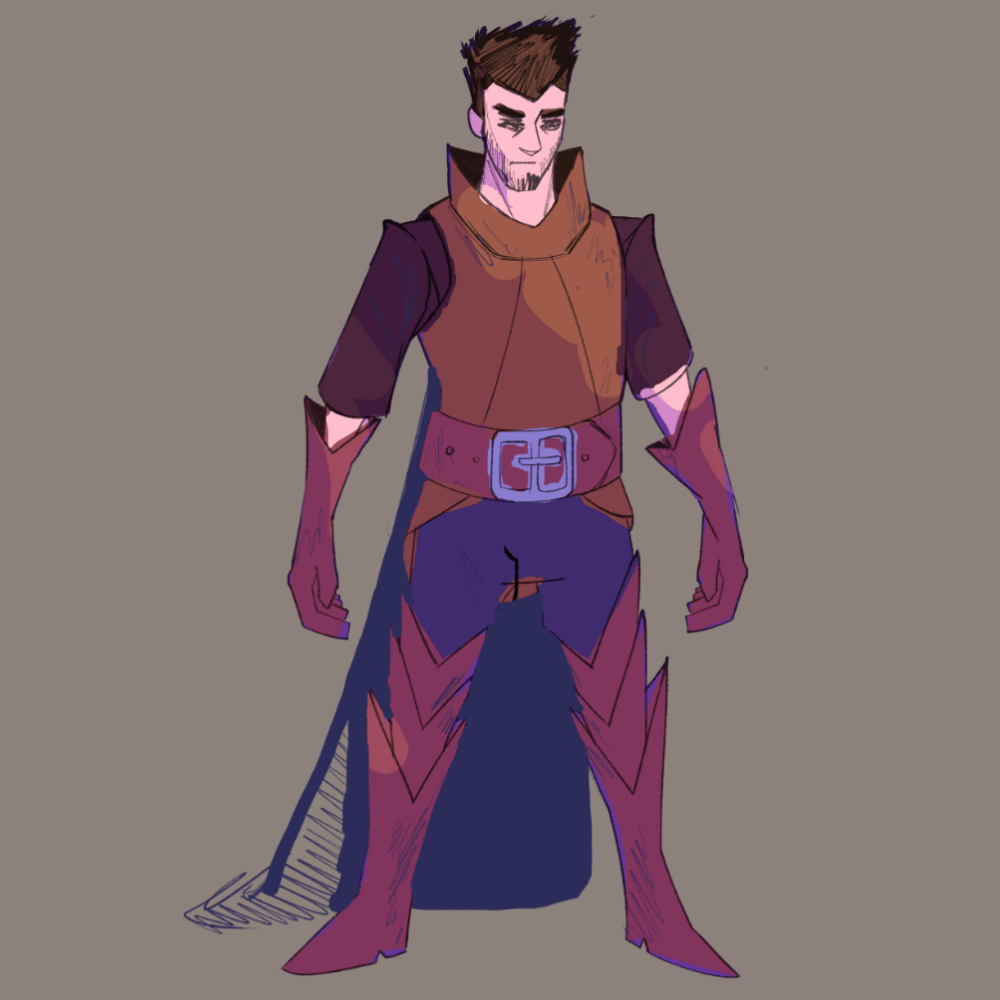
I’m a fan of spikes apparently, but I do tone it down in the refined sketch.

I decide to include a cape in the design as it adds potential for cloth dynamics and can be affected by the gravity of the world he exists in.

I felt some changes to the belt would be necessary, and by going with a circular shape I can guide the viewers eye around the image.


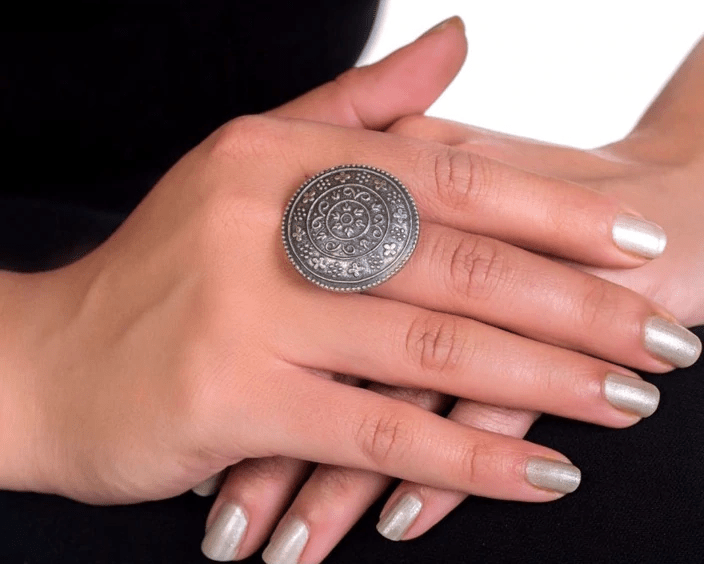
The texture I use for the buckle is from an image found on Google, it’s a ring in fact, and you can buy it if you’re inclined (I don’t own the shop, nor do I know the person who owns the shop, and I don’t benefit in any ways from the sale of the ring, I just wanted to let you know in case you like it.)


For the inks I used a 8px inking brush to do the outline, and the same brush in 5px to do the inner lines.

I hope the post was informative or at least interesting. If you liked this please consider leaving a comment, like, or sharing.

5 Questions to Ask When Sketching a Character

What gives a character their personality? Is it the clothes they wear or their mannerisms? One could say there is little difference between the two. A person chooses what they wear normally as an expression of themselves.

But a character in a story be it movie, comic, or video game wears what they are given by any such creator of their world. Potential creators should consider the personality types of their subjects, beyond their occupation and into their unique quirks and beliefs.

There’re some key questions I like to ask myself while sketching a character for the first time that help me identify the archetype and personality I’d like to shine through. Keep these 5 questions in mind when giving birth to your concept and let the art flow from your brain!

  1. When they wake up in the morning, what are the first movements or actions they take?
    • e.g. I always slam the 10 minute snooze, make a hot drink, then do some stretching.
  2. While they’re completely alone, with no contact with the outside world, how do they feel?
    • It may be loneliness and a desire to find company to entertain or be entertained by with haste, or perhaps they are comfortable in the solitude and seek a solo activity to keep them occupied.
  3. What does their living situation look like?
    • Do they live with family, classmates, roommates, comrades, or alone?
    • Are they good at keeping their living space tidy, or live in organized chaos?
  4. How do they recover from fatigue caused by their occupation?
    • Do they work a physically or mentally demanding job?
    • What are the consequences of failing to perform at their occupation?
    • Does the thought of failing cause them mental anguish?
  5. If they were visited by someone they considered a personal hero, what would their reaction be?
    • Admiration is a common emotion evoked by meeting a personal hero, but what if they were not as great as your character originally believed?
    • If a character based their lives around the image of their hero, and they were betrayed by reality of the person under the mask, would they tear the posters of their beloved superstar and reject all associations with the identity they built up around them?
    • This one is for the anime and manga nerds out there: Would the impact of discovering All Might had a hidden dark side to him at a pivotal moment in Deku’s schooling be strong enough to dissuade him from hero work?

Think of the above as a quick start to a mind map for your character’s personality, ask as many follow up questions as it takes to flesh out how they would react in any situation. Discover their motives, fears, and childhood traumas by reasoning with yourself to get to the root of their personality.